
Art in The Flesh: VS meets VS
The fine line between sensuality, empowerment and art
This year marked the 25th season of the Victoria’s Secret Fashion Show – a milestone that invited both nostalgia and scrutiny for one of fashion’s most polarising spectacles. Once cancelled in 2019 for political backwardness, the show returned to New York City on October 15th, following the brand’s controversial comeback last fall. Unsurprisingly, the dazzling evening offered more than goddesses in stilettos: amid the swell of critical attention, it reignited debate over how women’s bodies are presented within the broader sartorial landscape.
In today’s lingerie industry, to what extent have we truly reconciled the tension between body positivity, modern feminism, and the lingering traces of the male gaze?
Naturally, the search for an answer starts here, on the east coast of Fife.
Redefining Sexy
On this year’s Victoria’s Secret runway, under the creative direction of the newly appointed Adam Selman, a “less idealised version of sexy” was brought to life. Looks ranged from classic Bombshell pizzazz to denim on studded lingerie; from silk slips to fifty-pound wings heavier than your man’s PR. Responding to longstanding backlash against the brand whose name had been seminally built on the unattainable, Selman envisioned a more candid display of beauty and womanhood – one that would emphasise authenticity over perfection, realness over fantasy. There is a general consensus that this year’s performance fundamentally outclassed its predecessor, long derided for tokenistic diversity, tacky slickbacks, and an overall lack of character.
With its paradisal opening by Jasmine Tookes, success felt inevitable. Donning a custom one-piece beneath a pearl-accented overlay, paired with a fresh blowout and a glowing baby bump, the returning Angel made history. The first to strut down the Victoria’s Secret runway nine months pregnant (now mother of two) redefined the parameters of representation, framing diversity as a matter not only of race and size, but also of age and physical capacity. Feminine aesthetics may have long been tethered to youth, but Tookes’ celestial appearance that night proved otherwise: beauty spans every stage of womanhood.
Equally groundbreaking was Olympic gold-medalist Suni Lee’s debut on the PINK runway. The five-foot tall powerhouse expanded the brand’s former notion of unattainable, reminding us that athleticism doesn’t exclusively belong on the podium. Once constricted to physiques either archetypal or “plus-sized”, it seems that Victoria has finally decoded her secret in the big 25: women’s bodies should never be a matter of polarity.
Who’s Speaking: You Or The Male Gaze?
Beneath the glamour and panache, however, lingers an uncomfortable truth: the male gaze remains an impetus for the brand’s rekindled clout. Dressed in the guise of female empowerment and ethical sensibility, the Victoria’s Secret Fashion Show is, at its core, a commercial cause. There is a reason why we’re bombarded with reminders that every look will be “shoppable in stores and online” before the countdown even starts. There is a reason beyond inflation that lingerie sales routinely soar in the days leading up to Valentine’s Day, when at other times, dust gathers in those same cabinets of lacy goodness.
The fact is, the patriarchal eye still matters. The extent to which a woman feels empowered often remains tied to how worthy of male validation she perceives herself to be. We like to convince ourselves that we dress “slutty” for our own egos, for the mirror. But this colloquial, suddenly optimistic definition of the word – how did it slip into our daily discourse, in the first place?
The very nature of lingerie still begs interrogation. An irrational stigma continues to encircle it – one which separates a balconette bra from the classic striped pyjamas, though both are designed for the domestic sphere. What is assumed inherently erotic is, in reality, simply undergarments adorned. Why must lingerie be reserved for special occasions? Why can’t we normalise dressing beautifully on a solitary, sedentary Sunday?
The problem here extends beyond body positivity: as women, we still don't do enough for ourselves – and ourselves only.
VS meets VS
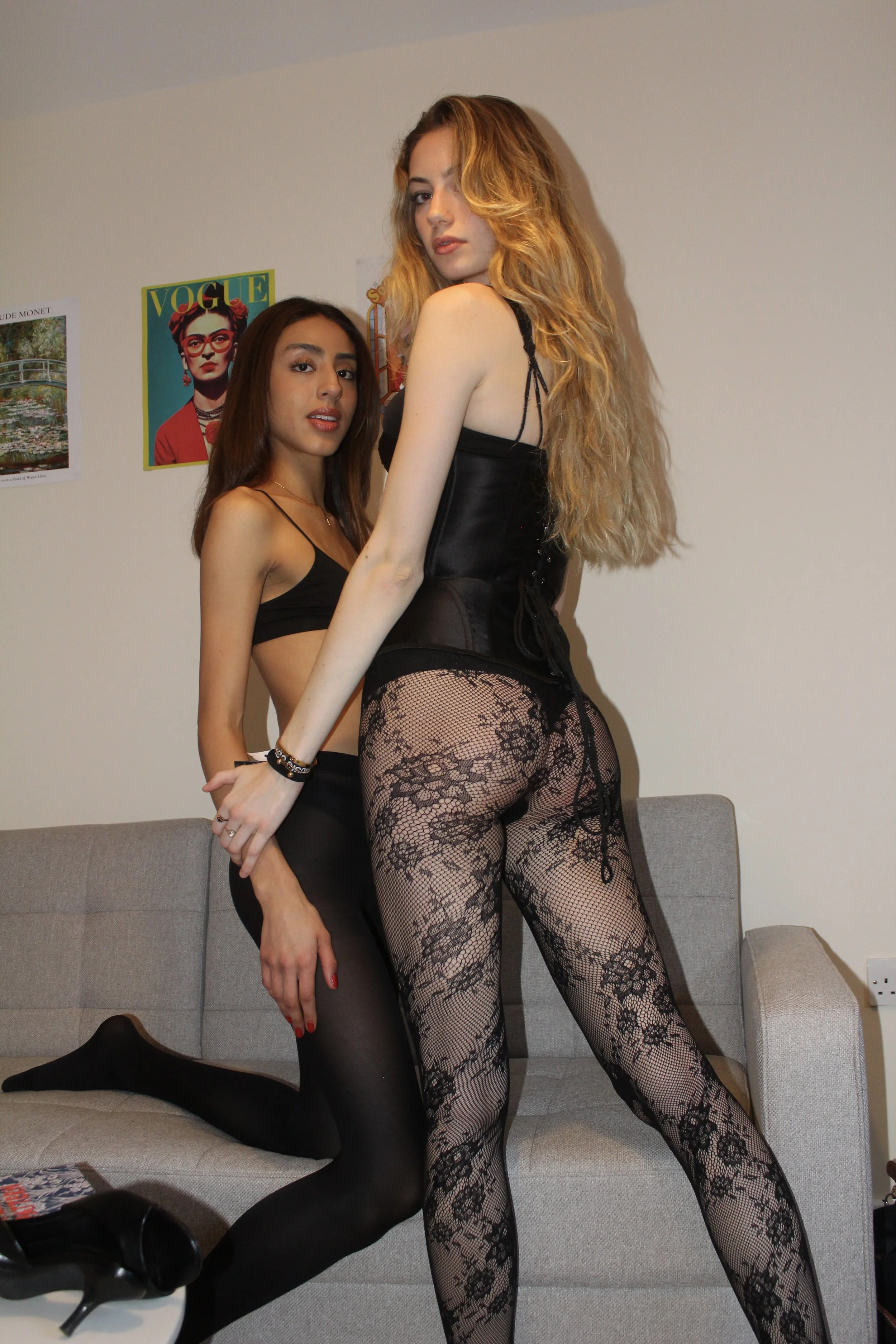
St Andrews may only span three streets and seven golf courses, but its size hardly prevents it from being a fashion hothouse. VS Creatives is among its many student-led fashion organisations, and coincidentally, a name doppelgänger of the aforementioned brand. The show, held annually, fuses streetwear, evening attire, choreography, and lingerie into one eclectic performance.
Clothes and prose aside, nothing fascinates me more than cosplaying the pseudo-cultural anthropologist. I revel in the belief that fashion is a movement, that trends are prophecies of contemporary ideology. At first, I was half-sceptical of Art In The Flesh as a title, fearing its meaning would vanish in the vague pithiness of the phrase. But I suppose such ambiguity is a kind of beauty that costs, and what our fashion-conscious generation makes of it may well be the crux of the matter.
Over coffee and cake, I enjoyed an insightful chat with Lynn – a friend as well as the Creative Director for VS2026.
What is the importance of lingerie modelling? Why do you consider it to be a crucial element in your creative direction for next year’s show?
Like a pair of jeans or a shirt, lingerie is just like any other article of clothing – it can be worn on a day-to-day basis, as well as styled and layered. At VS, incorporating lingerie has always been a matter of tradition, which makes it quite important. We include elements of it in each year’s show, and also in photoshoots that demand a more intimate vibe. From my experience, it is fun and self-empowering; it has helped me become more comfortable in my own skin. At the end of the day, nudity is integral to our identities, and feeling anxious at the thought of seeing your naked reflection is something that should’ve never been normalised. We must remember that there’s nothing inherently sexual about bare skin. Looking forward, it is crucial to remove this stigma completely.
In light of the historical objectification of women’s bodies, how do you think this can be avoided in the modelling industry? How do you make sure sensuality remains solely a force of empowerment?
This is a tough question because as the Creative Director, I am in charge of producing the art, and unfortunately have far less influence on how it’s going to be perceived. I feel like desexualising women’s bodies is something that demands structural change in our society, which is ultimately a matter of perspective. Sensuality in clothing and movement only qualifies as art insofar as we appreciate it for its aesthetics and creativity, and I believe discourse and media are some of the most powerful tools to inspire this shift in attitude.
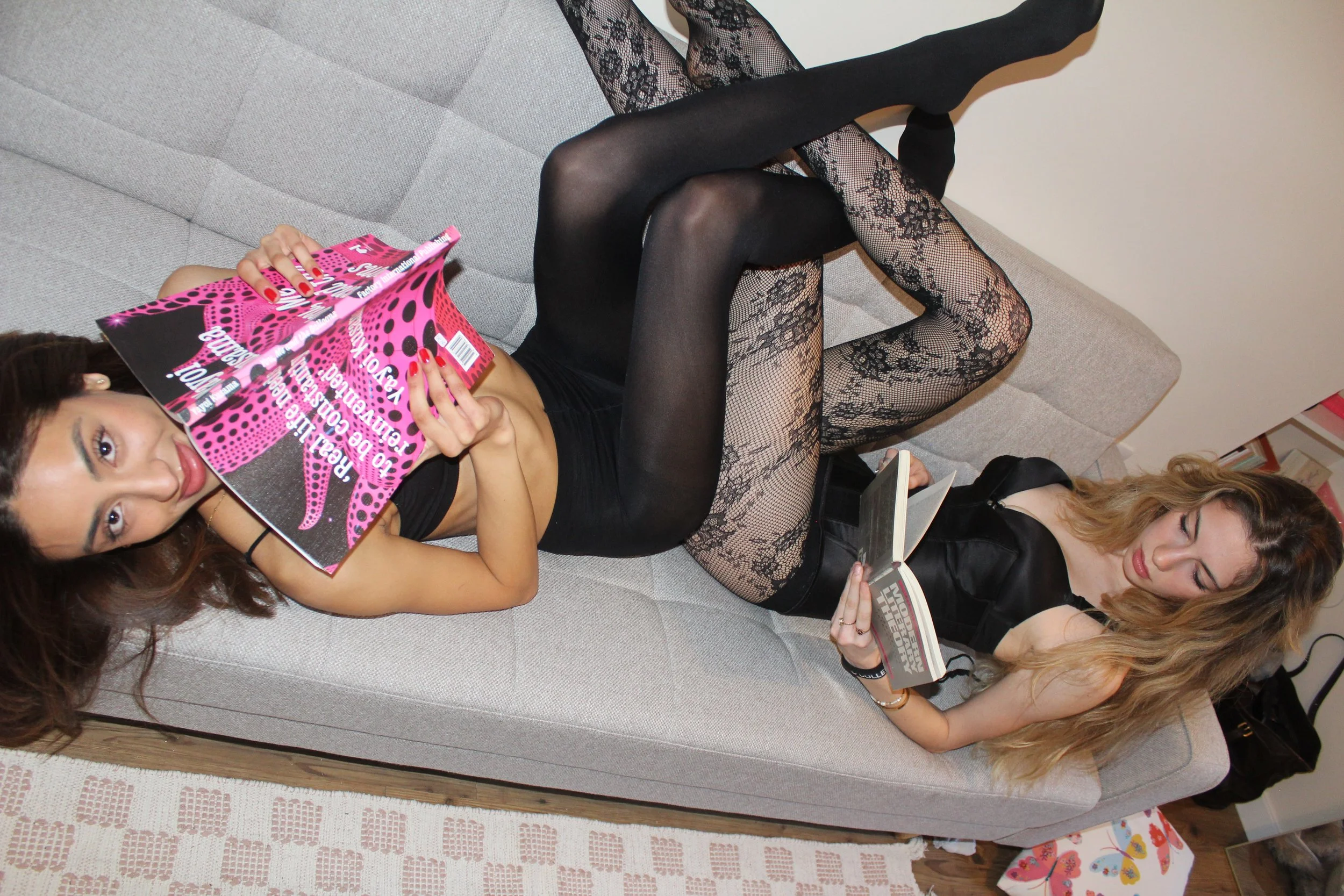
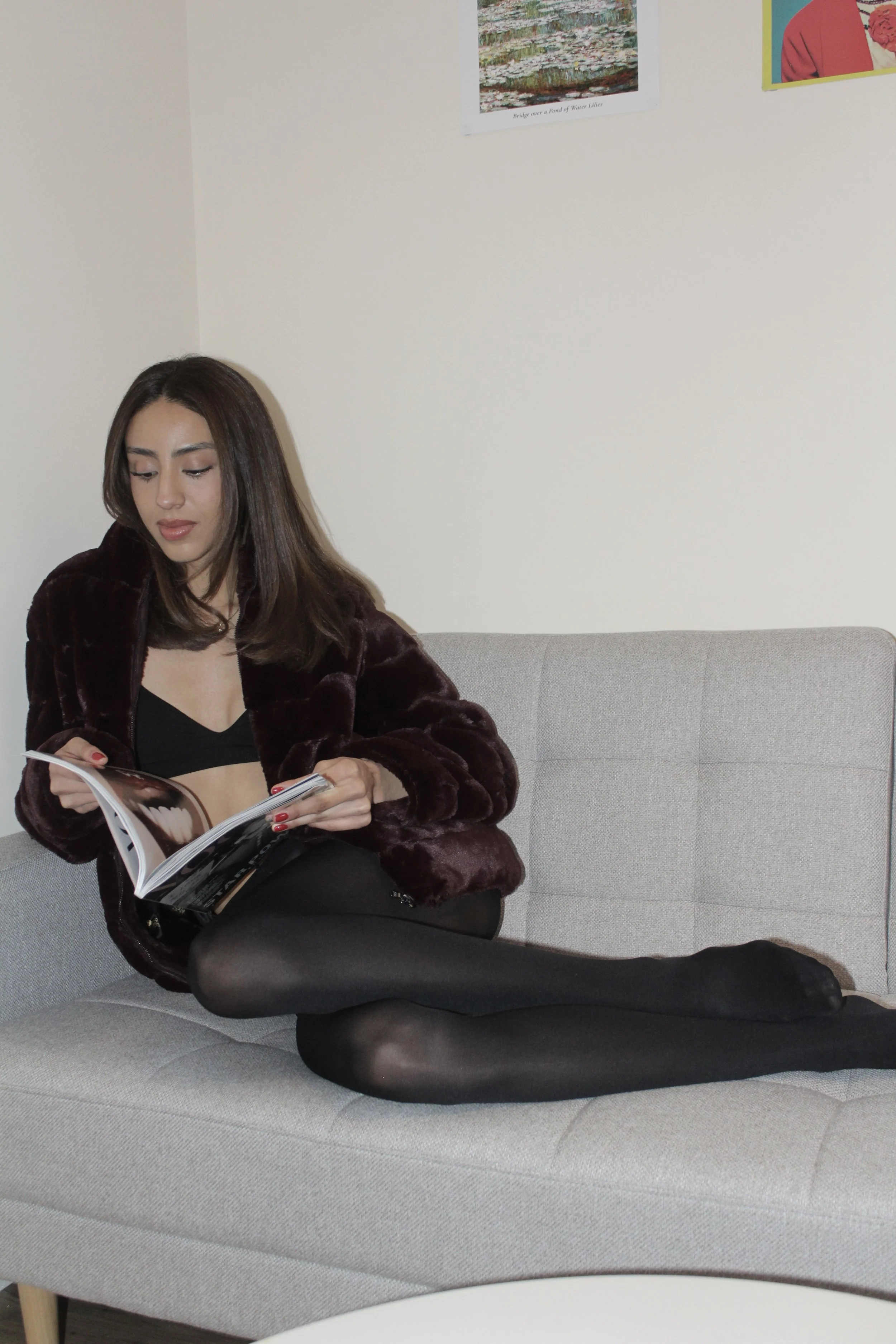
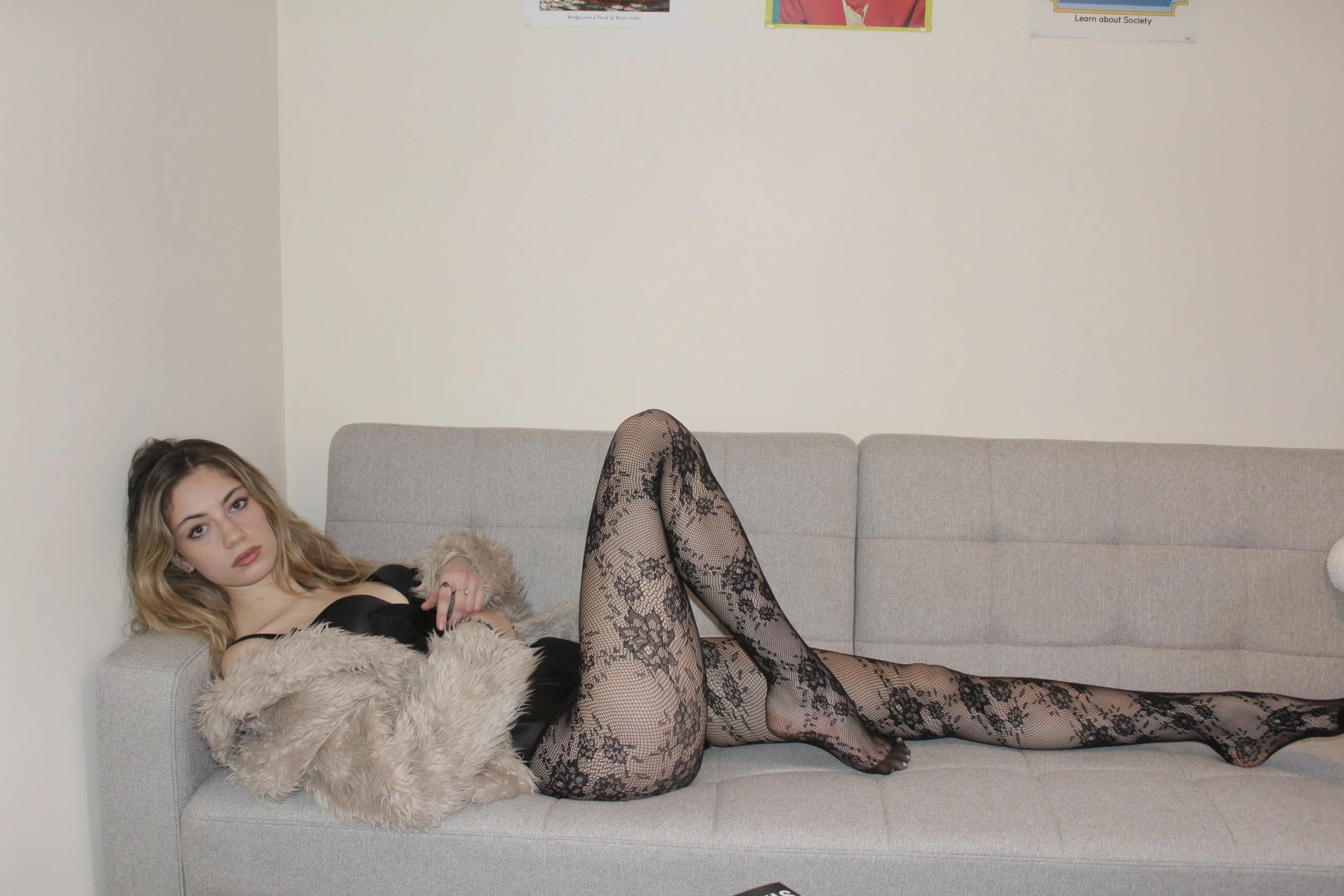
Food For Thought
The fashion industry has evolved in unprecedented ways. Beauty is finally recognised for its polyvalence, as diversity continues to free itself from the shackles of the fat-thin dichotomy.
Still, another issue remains: would sultriness still exist in a world where men are blind?
The day we agree that empowerment starts from within, is the day we can finally reclaim the art that is our bodies.